Fireplaces and carbon monoxide
Carbon monoxide has no color and no smell. A fireplace makes it every time it burns, and the chimney is what carries it out. When the flue is blocked or cracked, or closed too soon, it comes into the room instead.
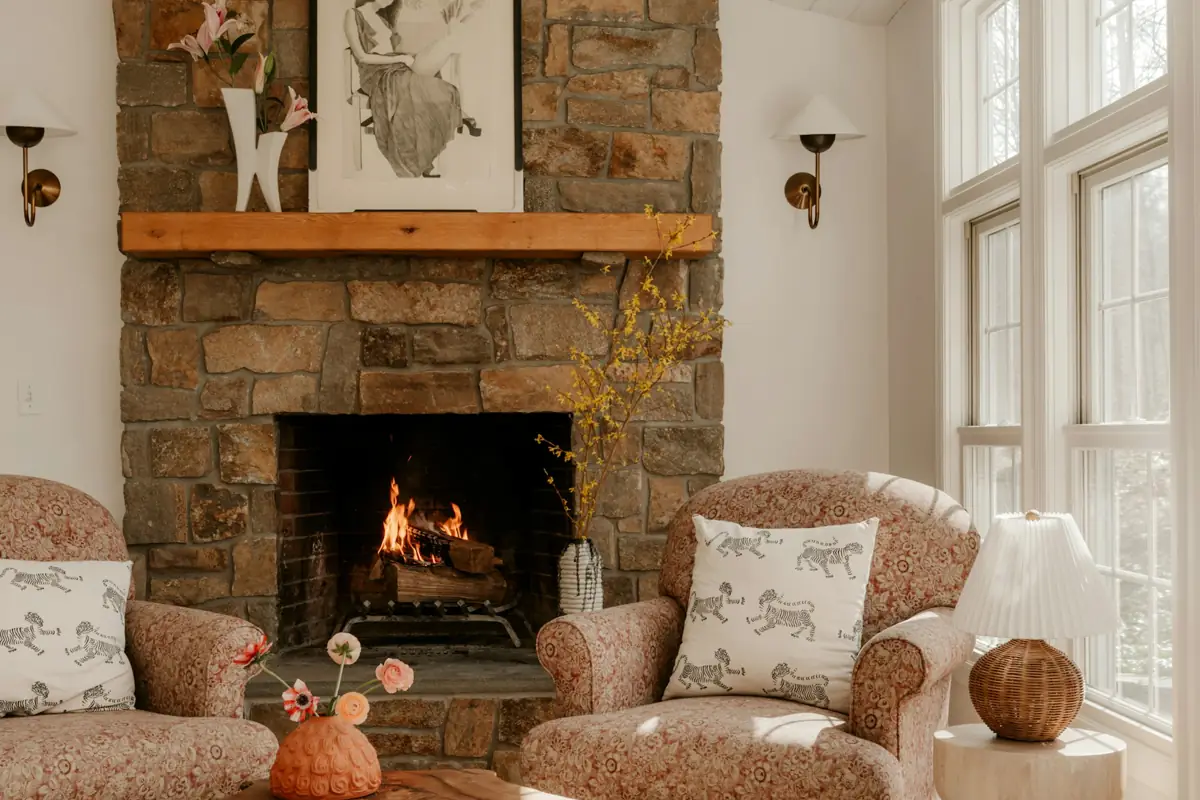
How it happens
- A blocked flue. A nest, a fallen tile or debris left from a long idle summer.
- A cracked liner. Gases escape through the cracks into the chimney structure and the house. Chimney liners.
- The damper closed too soon. Embers that look dead still make CO. Leave the damper open until the fire is fully out.
- A house that pulls air down the chimney. Kitchen and bath fans can reverse the draft in a tight house.
The numbers
The CDC says more than 400 Americans die each year from unintentional carbon monoxide poisoning not linked to fires, and more than 100,000 visit an emergency department.
San Antonio saw why this matters in February 2021. Between February 10 and 20 the airport logged 9 freezing nights and 5 days when the high never got above freezing, bottoming out at 9F. With the power out across the state, people lit fireplaces that had not been used in years, and some turned to generators and cars for heat. During Winter Storm Uri in February 2021, carbon monoxide poisoning was one of the two leading circumstances (7.4%) among the indirect storm deaths CDC researchers tracked across nine states.
What the CDC advises
The CDC advises a battery or battery-backup CO detector near every sleeping area, checking its batteries when the clocks change, replacing detectors about every five years, and having the chimney checked or cleaned every year because debris can let CO build up inside.
- Never run a generator or grill indoors or in a garage.
- Have the chimney and every gas-burning appliance checked once a year.
- Learn the symptoms: headache and dizziness, nausea, confusion. They often hit several people or pets at once.
Before the next cold snap
If your fireplace is the backup heat for a power outage, have it inspected and swept before winter, not during the storm. Keep a supply of dry wood. Firewood in San Antonio.
Questions San Antonio homeowners ask
Can a fireplace give off carbon monoxide?
Yes. All burning makes CO. A working chimney carries it out; a blocked or cracked one, or a damper closed too soon, lets it into the house.
Where should I put a CO detector near a fireplace?
The CDC advises a battery or battery-backup detector near every sleeping area. Follow the maker's instructions for distance from the fireplace itself.
Do gas fireplaces produce carbon monoxide?
Yes, which is why their venting needs a yearly check. A vent-free gas appliance puts its combustion products into the room by design; follow the maker's limits.
Sources
- CDC: About Carbon Monoxide Poisoning
- Disaster Medicine and Public Health Preparedness (CDC authors): Mortality Surveillance During Winter Storm Uri, United States, 2021
- NOAA NCEI: GHCN-Daily, San Antonio International Airport (USW00012921), through October 24, 2026
- US Fire Administration: Heating Fire Safety (2021 national estimates)